


In a world where stress and anxiety seem to dominate our lives, finding ways to nurture our souls is more important than ever. Self-hypnosis is a powerful tool that can help us tap into our subconscious and invoke deep healing. This blog will explore nine accessible methods to harness the power of self-hypnosis for soul healing. Whether you’re a beginner or have some experience, these techniques can guide you on a transformative journey.
1. Understanding Self-Hypnosis and Its Benefits
Self-hypnosis is an effective technique that allows individuals to enter a state of focused relaxation. In this section, we will discuss what self-hypnosis is, explore its benefits, and how it can specifically aid in soul healing.
At its core, self-hypnosis is about accessing the subconscious mind, which holds a wealth of insights and memories often hidden from our conscious awareness. By tapping into this profound resource, you can address emotional blocks, confront fears, and unlock a deeper understanding of yourself. This process can lead to significant soul healing, as it encourages you to engage with your innermost thoughts and feelings in a nurturing way.
Additionally, self-hypnosis can aid in stress reduction by shifting your focus away from negative stimuli and fostering a sense of tranquility. This can have a ripple effect on your daily life, reducing anxiety and promoting a more positive outlook. The journey into your subconscious is not just about relaxation; it’s about gaining clarity and insight that allows for deep emotional healing.
2. Creating Your Ideal Hypnotic Environment
The setting in which you practice self-hypnosis can greatly influence its effectiveness. Here, we’ll cover tips for creating a tranquil environment that enhances your hypnosis experience.
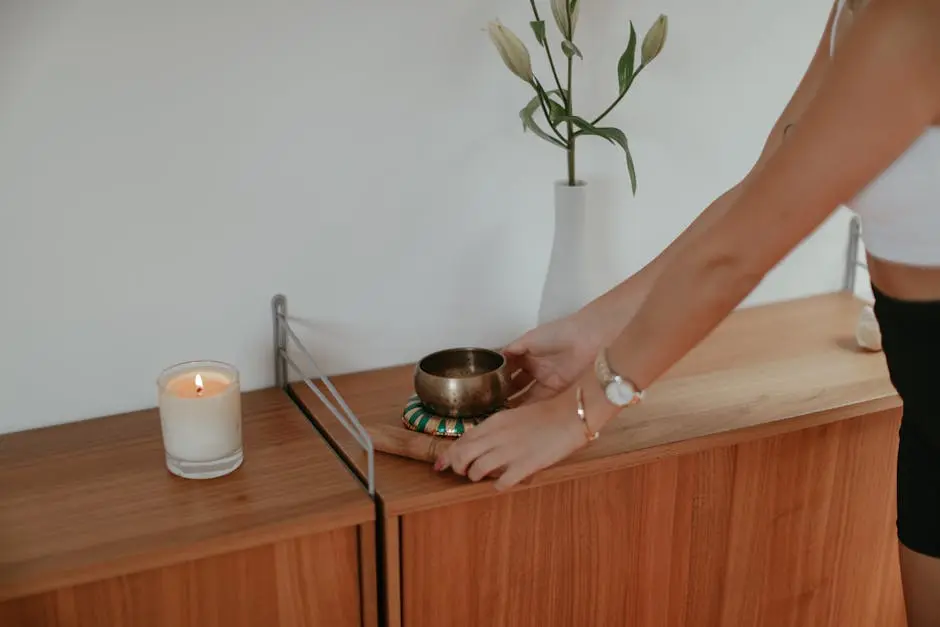
To foster an ideal hypnotic environment, consider the ambient characteristics of your space. Soft lighting, comfortable seating, and calming scents can all contribute to a peaceful atmosphere. Perhaps dim the lights and light a soothing candle or use a diffuser with calming essential oils like lavender or chamomile. This not only sets the tone but also cues your mind that it’s time to relax and engage in healing.
Moreover, eliminating distractions is essential for a successful self-hypnosis session. Turn off your phone, close the door, and let others know you need some time alone. Sound can also play a crucial role; soft background music or nature sounds can enhance the experience. The goal is to create a sanctuary that encourages a deep connection with your subconscious, facilitating the best possible outcomes for your soul healing journey.
3. Setting Clear Intentions for Healing
Before beginning a self-hypnosis session, it’s crucial to define what you want to achieve. This section will guide you in setting clear and meaningful intentions for your soul healing journey.
Your intention acts as a compass throughout your self-hypnosis experience. By clearly defining what you wish to heal or understand, you create a specific focus that helps guide your subconscious exploration. Whether your aim is to release past traumas, cultivate self-love, or simply find peace in the present moment, articulating these desires is fundamental.
Writing your intentions down on paper can also enhance clarity. It might be helpful to include positive affirmations that resonate with your goals. For instance, statements like ‘I am worthy of love and healing’ can powerfully anchor your sessions. Remember, the more vivid and personal your intentions, the stronger the impact they have during hypnosis.
4. Utilizing Guided Imagery Techniques
Guided imagery is a powerful self-hypnosis technique that involves visualizing peaceful and healing scenarios. Discover how to effectively incorporate guided imagery into your sessions for deeper soul healing.
To begin, think of a place that embodies tranquility for you; this could be a serene beach, a lush forest, or even a cozy room filled with loved ones. As you sink into your self-hypnosis state, vividly imagine this environment. Focus on the details—what do you see, hear, smell, and feel? Engaging all your senses in this visualization enhances its effectiveness and can create profound emotional responses.
Incorporating guided imagery allows your mind to explore feelings and situations that might need healing. You can visualize healing energies enveloping you or imagine yourself releasing pain and negativity into the earth. This gives your subconscious tools to work with, facilitating a deep sense of release and personal transformation that is vital for soul healing.
5. Incorporating Affirmations for Empowerment
Affirmations are positive statements that can help reinforce self-belief and promote healing. This section will explain how to create and use affirmations during self-hypnosis sessions for maximum impact.
When crafting your affirmations, make them personal and make sure they resonate with your healing intentions. Positive language is key here; for instance, replace negative thoughts like, ‘I am not enough’ with empowering phrases such as, ‘I am whole and deserving of love.’ Repeating these affirmations during self-hypnosis can plant powerful seeds of change in your subconscious.
It’s also beneficial to combine your affirmations with visualization techniques. Imagine your affirmations becoming a reality as you say them. This will help deepen their impact, gradually reshaping your self-perception. Consistent use of affirmations can transform your mindset, allowing for profound shifts that support your soul healing journey.
6. Breathwork and Self-Hypnosis Synergy
Breathwork plays a vital role in relaxation and focus. Learn how to combine breathwork with self-hypnosis for a more profound experience that fosters soul healing.
The breath is a gateway to awareness and can profoundly influence your self-hypnosis sessions. Start by practicing deep, rhythmic breathing to anchor yourself into the present. Inhale deeply through your nose for a count of four, hold for a moment, and then exhale through your mouth, releasing tension with each breath. This technique can help quiet the mind and prepare your body for deeper relaxation.
As you continue through your hypnosis, maintain a focus on your breath. Allow it to deepen and slow naturally while you guide your mind to your healing intentions. The synergy of breathwork and self-hypnosis allows you to dive deeper into your subconscious, making it easier to access areas that require healing and nurturing during your process.
7. Addressing Past Traumas for Healing
Self-hypnosis can be an effective tool for confronting and addressing past traumas. This section will provide safe methods to explore these experiences and promote emotional healing.
Addressing past traumas can be challenging but essential for healing. Within a safe hypnosis space, you can explore these memories from a distance, as if watching a film. This perspective helps in processing emotions without becoming overwhelmed. As you uncover these experiences, remind yourself that you are in control and can choose how to respond emotionally.
Additionally, it’s crucial to approach this process with compassion. Instead of focusing solely on what hurt you, also allow space for self-forgiveness and understanding. Consider visualizing the younger version of yourself during these memories, offering love and support. This compassionate connection facilitates soul healing by fostering acceptance and encouraging emotional release.
8. Maintaining a Regular Practice for Best Results
Consistency is key in self-hypnosis for soul healing. Here, we will discuss the importance of maintaining a regular practice and provide tips on how to incorporate it into your daily life.
Establishing a consistent self-hypnosis practice can significantly enhance your healing journey. Consider setting aside dedicated time each week to engage in your sessions. Whether it’s a quiet morning before the world awakens or a peaceful evening before bedtime, find a time that suits you best. Regularity helps reinforce the habit, making it easier for your mind to slip into a state of hypnosis.
Additionally, don’t be afraid to adjust your practice as needed. Life can be unpredictable, and some weeks may require more gentle approaches, while others may invite deeper exploration. Honoring your current state allows for a more authentic practice, nurturing your soul’s needs. Remember, it’s not just about frequency but the quality of each session that truly matters.
9. Evaluating Your Progress and Adjusting Techniques
As you embark on your self-hypnosis journey, it’s essential to evaluate your progress. This section will offer guidance on how to assess your experiences and adjust your techniques as needed for optimal healing.
Regularly reflecting on your self-hypnosis experiences can provide valuable insights into your healing journey. Take notes after each session, jotting down what worked well and what may need adjustment. Are you feeling more at peace? Are certain themes or memories recurring? Understanding these patterns can give you clarity on your emotional evolution.
Moreover, remain flexible with your techniques. If guided imagery resonated at the start but later feels less impactful, try incorporating more affirmations or different visualization exercises. Self-hypnosis is a personal journey that may evolve, requiring you to adapt your approach. Be gentle with yourself during this process, as it’s all part of the healing experience.